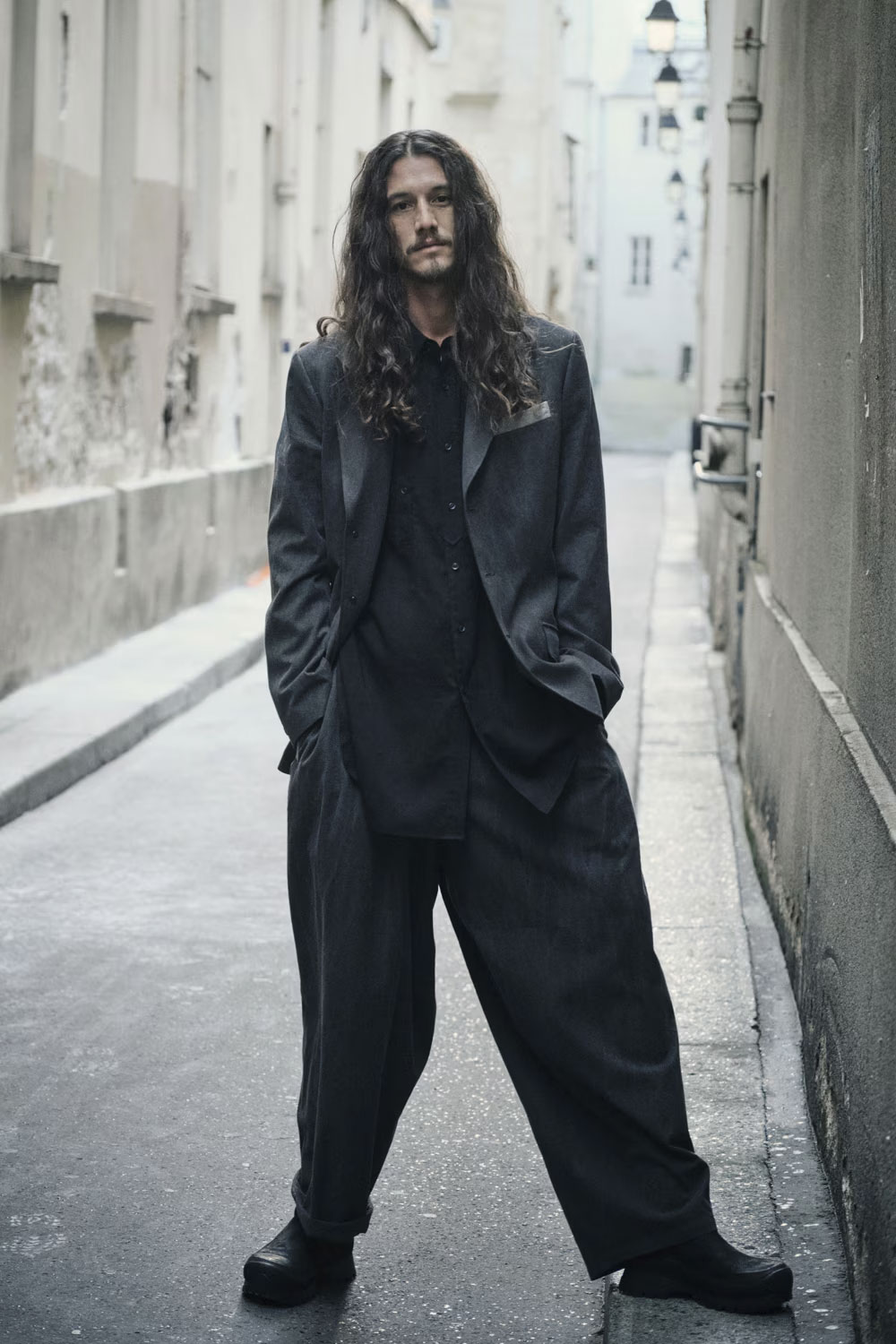
As a graphic designer, I’ve always been drawn to creators who don’t just make things look beautiful — they make you feel something. Few designers have influenced my way of thinking as deeply as Yohji Yamamoto.
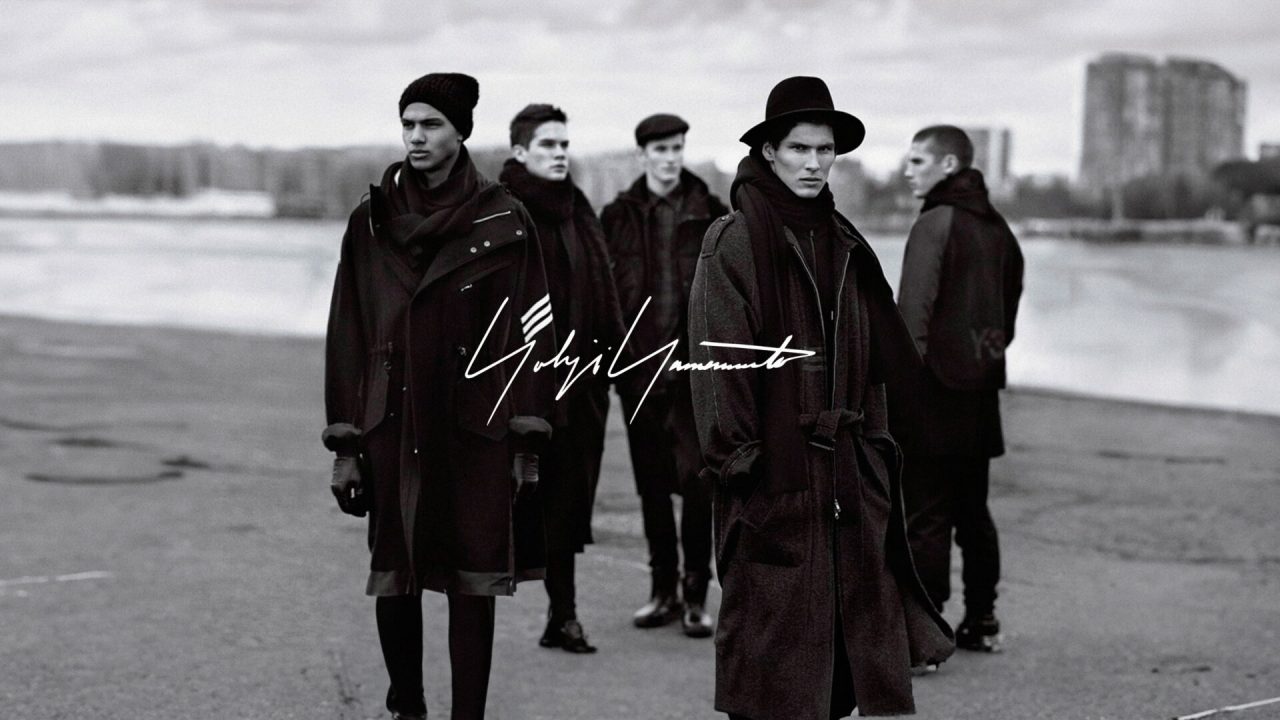
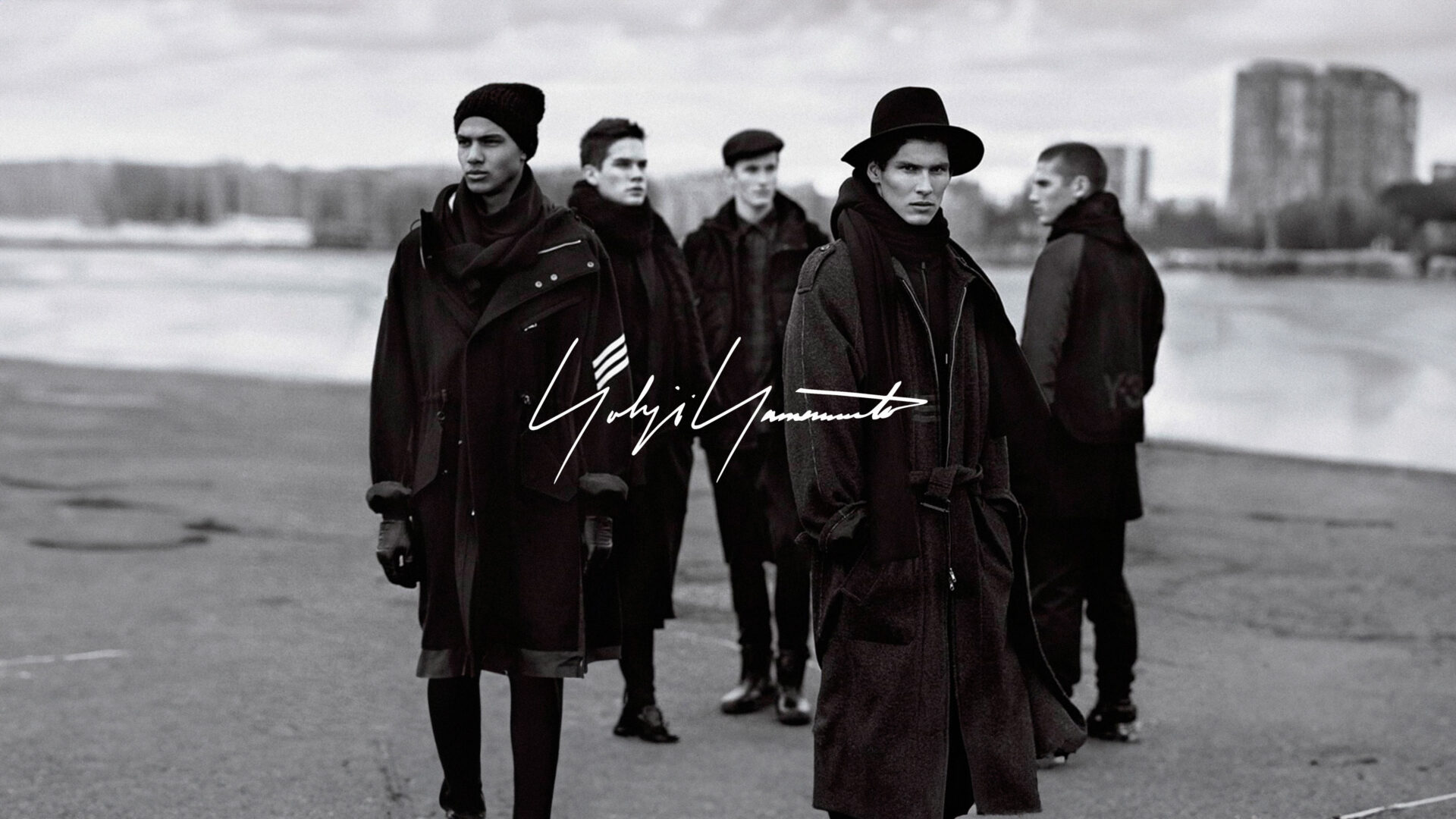
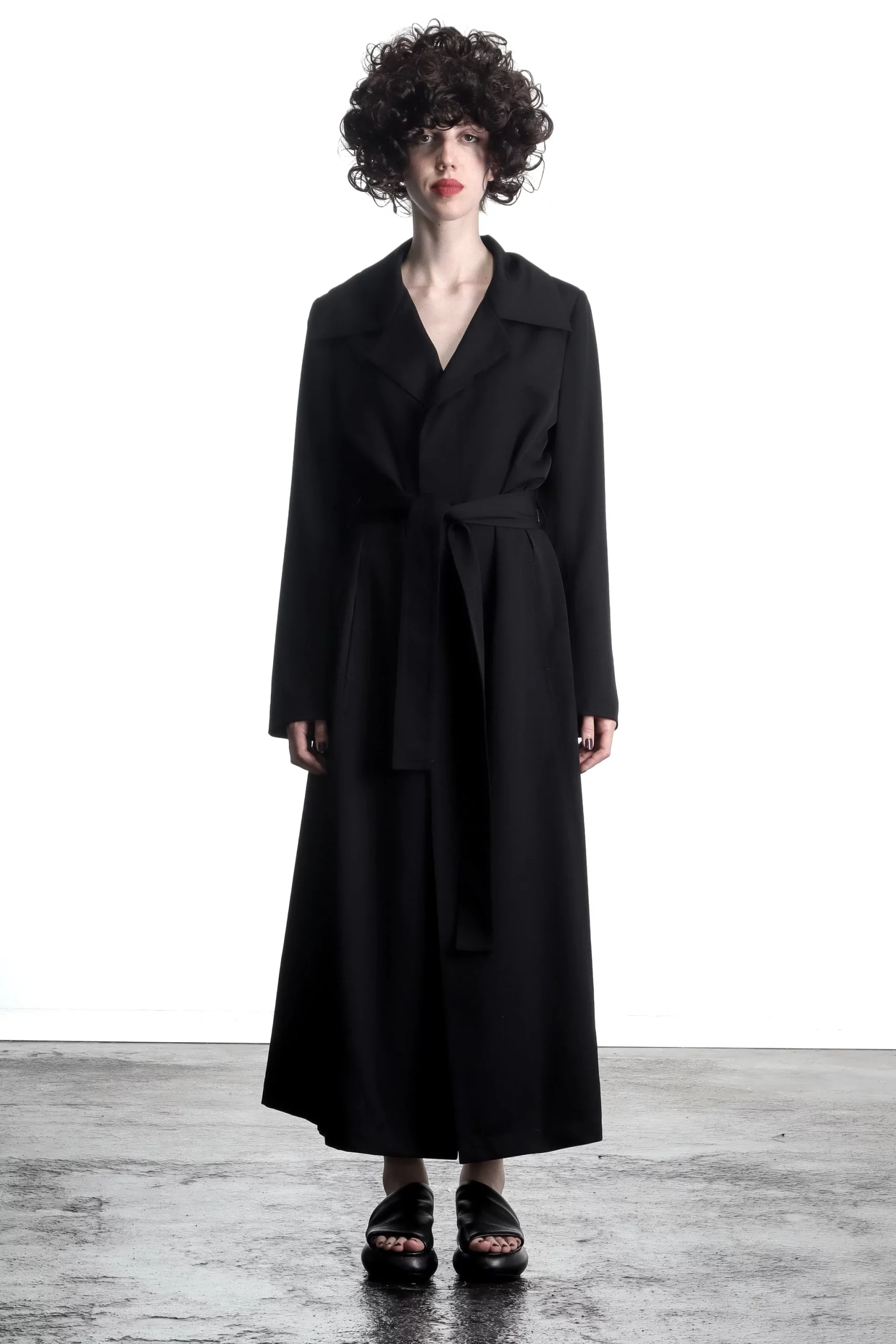
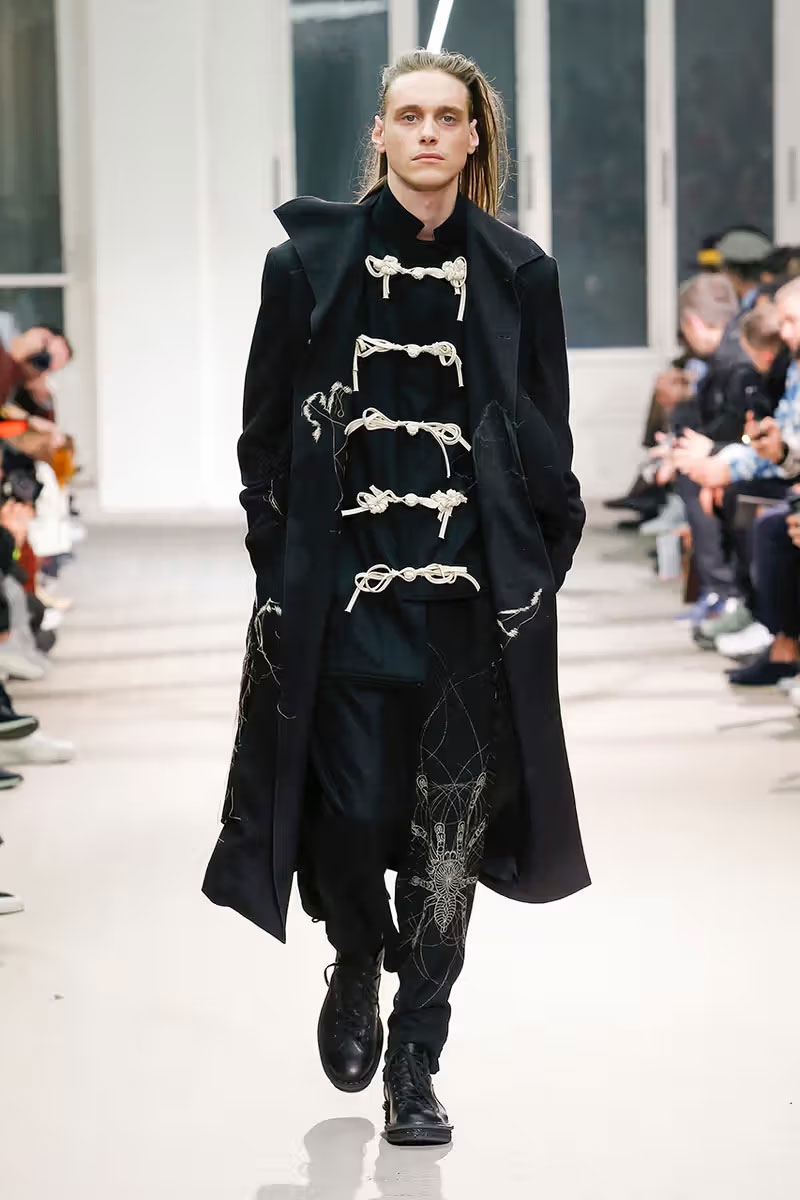
When I first discovered his work, I was struck by his radical approach to fashion: oversized silhouettes, asymmetrical cuts, monochromatic palettes (especially black), and an almost poetic imperfection. What looked like “unfinished” or “deconstructed” to many was, for me, pure design intelligence. Yamamoto taught me that true elegance often lies in restraint, not decoration.
His philosophy — “I don’t design clothes, I design space between the body and the fabric” — completely changed how I approach graphic design. I started seeing negative space not as empty area, but as breathing room. I learned that less can carry much more emotion than more. His influence pushed me to strip away unnecessary elements and focus on what really matters: concept, emotion, and authenticity.
Yamamoto’s love for imperfection and impermanence also resonates strongly with me. In a world obsessed with perfection and trends, he reminds us that beauty can be found in the raw, the worn, the asymmetrical, and the honest. That mindset helped me move away from overly polished, generic designs toward work that feels more human and soulful.
Even today, when I’m working on branding, posters, or editorial layouts, I often ask myself: What would Yohji do? Would he add more, or would he take away? Would he make it loud, or would he let it whisper?
Yohji Yamamoto didn’t just influence fashion — he influenced an entire way of seeing design. And for that, I will always be grateful.